
India's Labour Economy
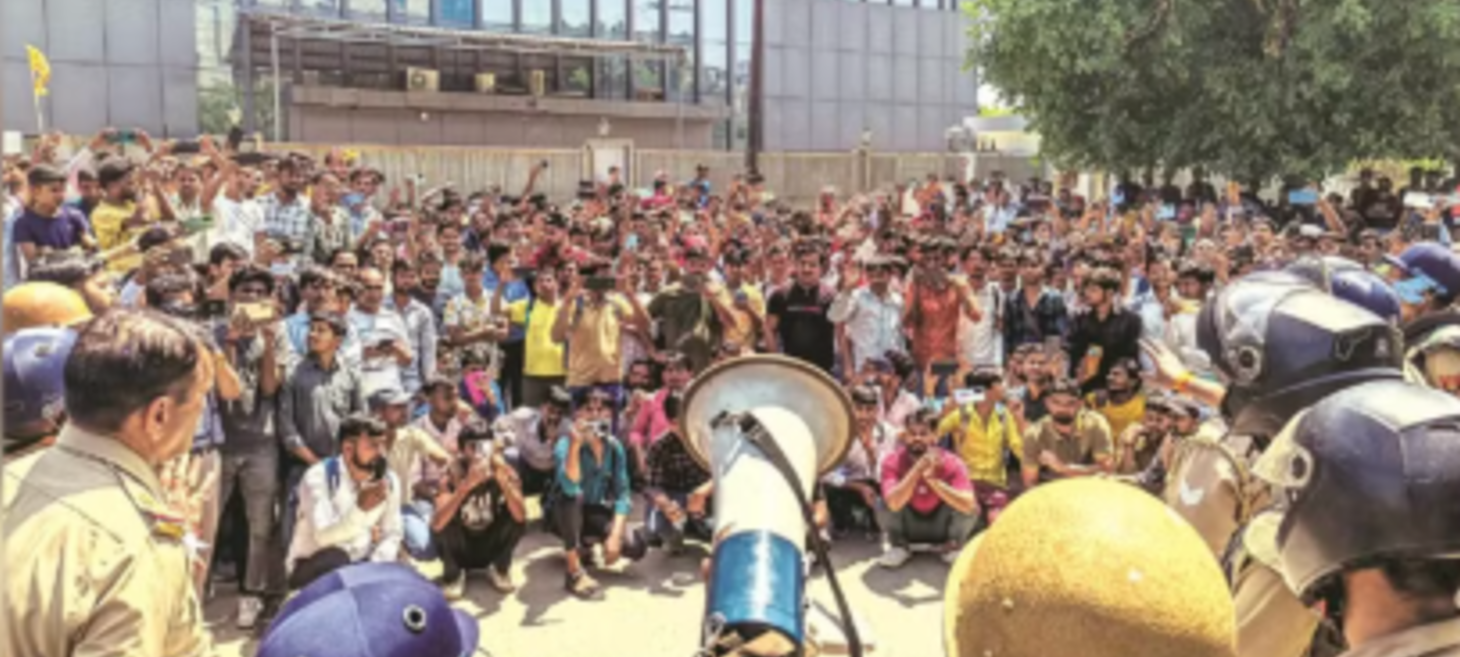
Workers' salaries in UP, Haryana still below the national wage line
• India’s ranking in the labour and wage index across countries is 156, out of 164 nations, according to an Oxfam report, below China’ s ranking of 107 and South Africa’s 85.
• Worker wages in UP, Haryana are lower than the national average.
• The number of strikes and lockdowns have been consistently higher in the private sector than in the public sector between 2015 and 2022.
• About 41 % of India’s total factory force is employed on contract. 51 per cent of Haryana’s workforce was employed on contract.
Wages in Haryana
The Haryana govt. revised its minimum wage, on April 9, with the last revision having taken place in October 2015. A CITU Haryana chapter union leader said it was considerably lower than the remuneration that was agreed upon by a panel comprising of representatives from labour unions, and industry last year — and does not account for adequate nutritional requirements needed by working adults in India. A minimum wage of Rs 23,196 was unanimously recommended by the State Minimum Wage Committee on December 29, 2025. He said that the committee had sent its recommendation to the state government. The committee’s calculations through which it arrived at the Rs 23,196 figure, included tracking prices of key nutrients and clothing over the period of a month, along with expenses towards rent, electricity and their children’s education, and medical expenses, among other things. But when on April 9, the state government notified a 35 per cent hike in minimum wages across categories — raising the monthly pay for unskilled workers from Rs 11,274 to Rs 15,220, and for skilled workers from Rs 13,704 to Rs 18,500. this increase fell considerable short of the State Minimum Wage Committee recommendations. The Indian Express published a detailed breakdown of the Committee’s calculations below.
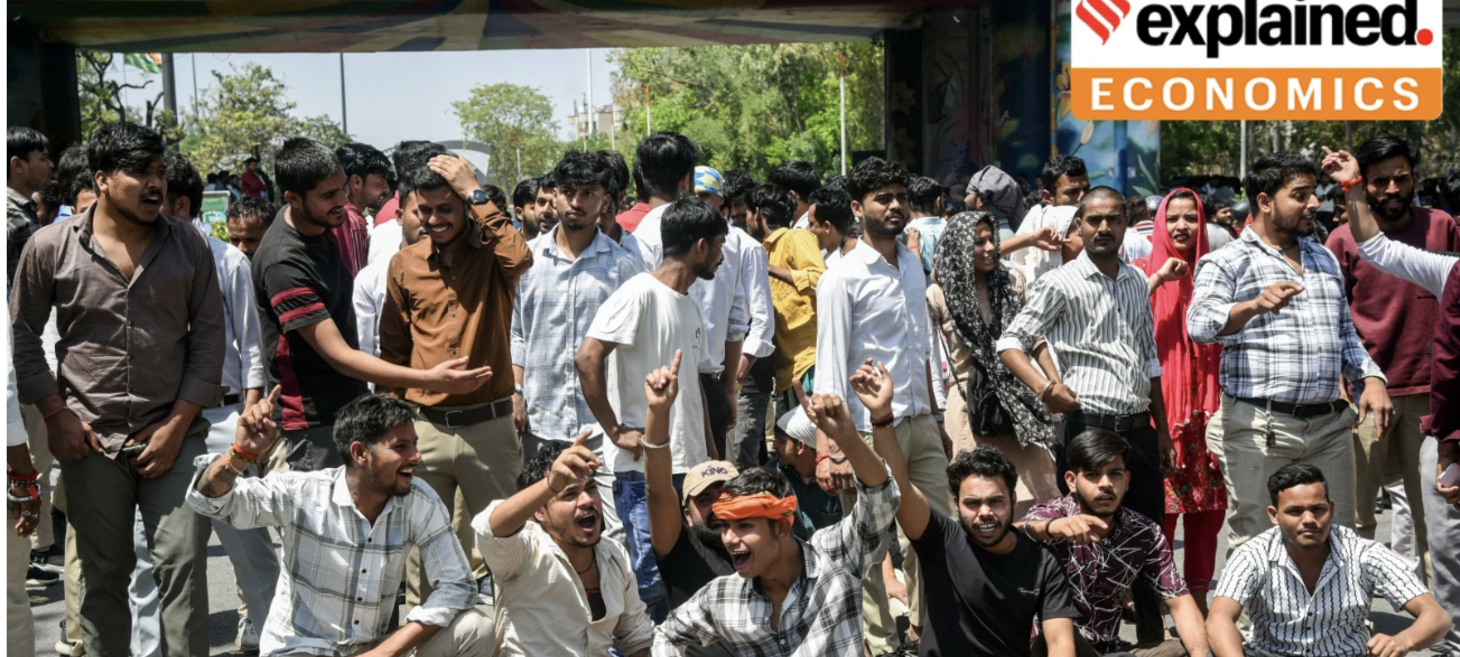
Despite hike, why Haryana workers are calling for a further rise in minimum wage
On top of the already low minimum wage workers in the state were receiving, rising costs due to the ongoing war in West Asia have been an additional burden.
In numbers: How UP workers are underpaid despite productivity gains
Workers from the state earn below the national average, even as productivity outpaces wage growth over five years. Industrial workers in Uttar Pradesh earned an average of Rs14,700 per month, the sixth-lowest among all states and Union Territories, and 22 percent below the national average of Rs18,000 in 2023-24, shows government data. This was before the UP government announced an interim hike in minimum wages on Tuesday. In comparison, workers in Jharkhand, the highest-paying state, earned Rs 26,700 a month, nearly double of what a worker in UP takes home.
Women in the Workforce
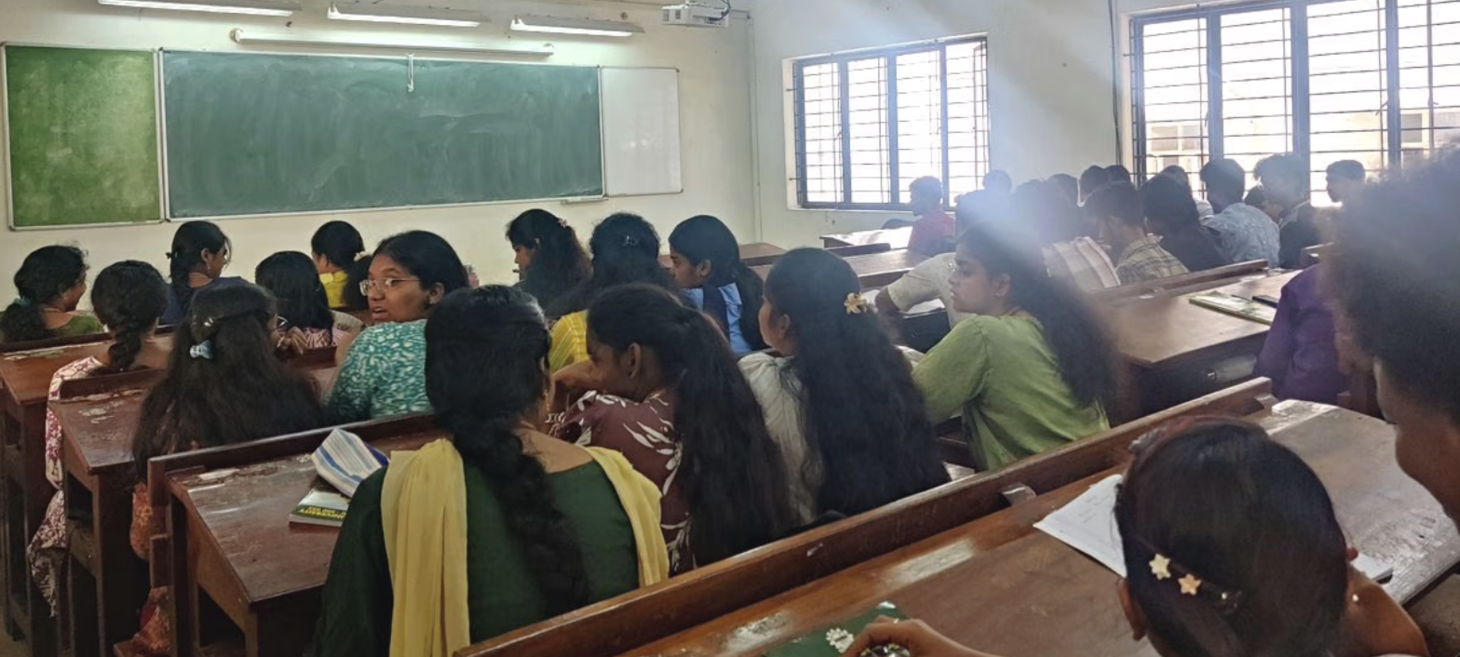
How Tamil Nadu built India’s largest STEM women army. ‘Original DEI gangster’
“Tamil Nadu is the original gangster of DEI — diversity, equity and inclusion. We have been enabling DEI hiring since before it was cool,” said TRB Rajaa, Minister for Industries, Investment Promotions and Commerce in Tamil Nadu. From Foxconn factory floors in Sriperumbudur to engineering colleges in every district, Tamil Nadu's Dravidian Model has spent a century investing in women. The returns are showing.
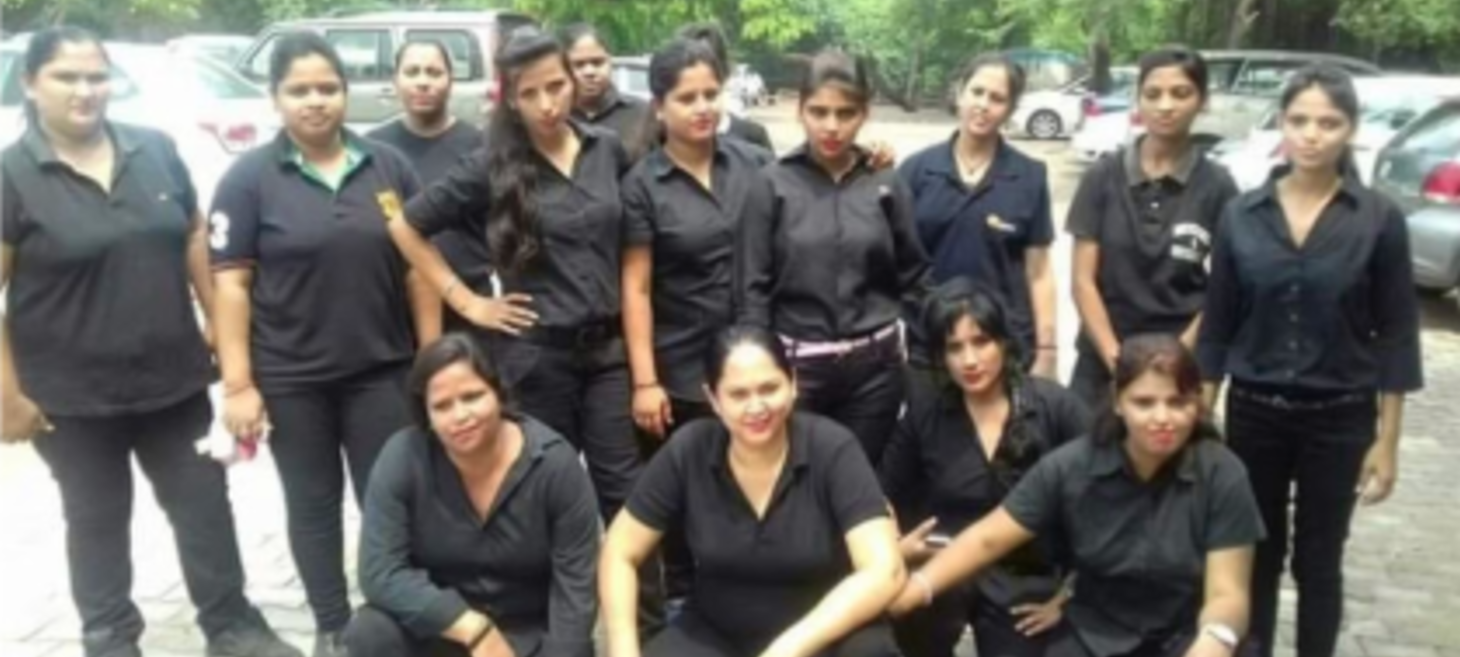
Lady bouncers of Delhi NCR and their fight for dal, roti, respect
As more Indian city women step out into crowded public spaces and busy nightclubs, a new profession has begun taking shape alongside. That of lady bouncers. They are big, bold and tough-talking. They compete for space in predominantly masculine spaces like IPL matches, music concerts and watering holes. In Delhi-NCR alone, there are nearly 2,500 lady bouncers — many of whom are now building support systems. One of their most active WhatsApp groups, called “Nari Shaktii,” has 208 members. Most conversations unfold through voice notes.
News from States
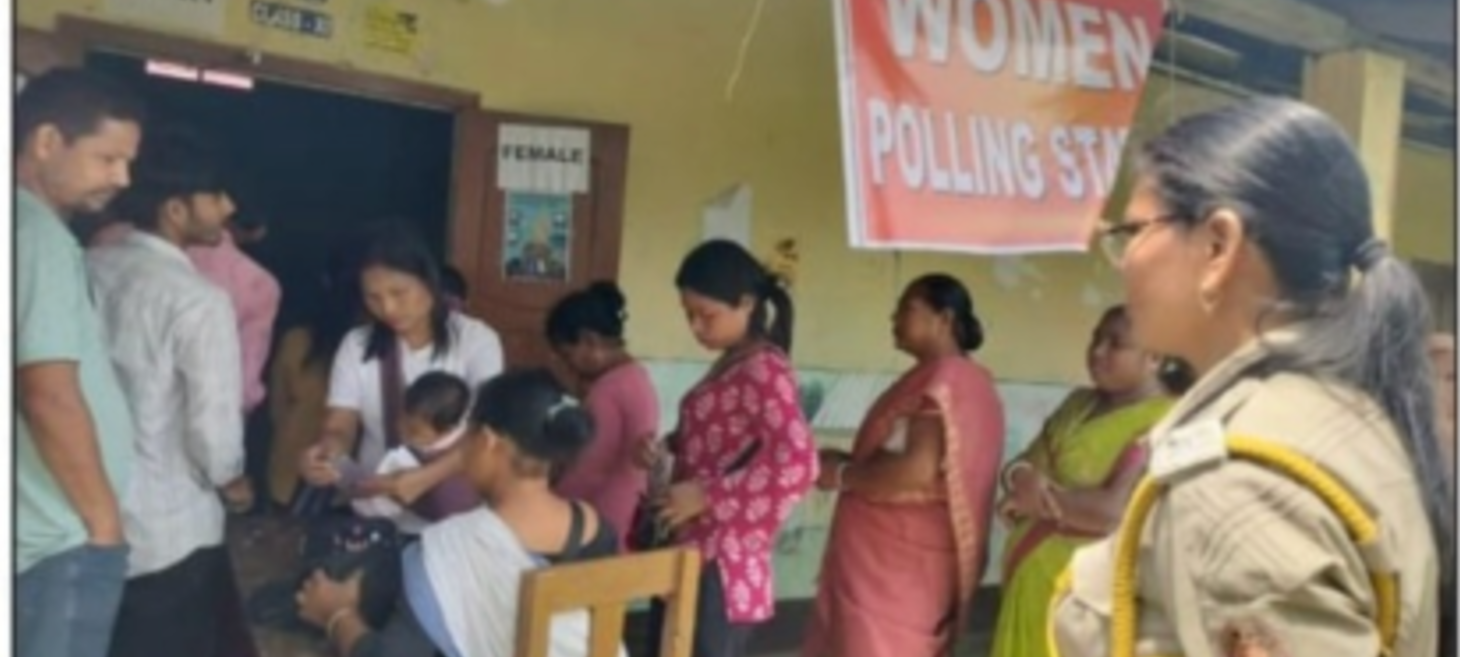
Elections 2026: What Cash Transfers Actually Mean for Assam’s Women
In Assam, the BJP doubled down on efforts to woo over 1.25 crore women voters through cash transfer schemes such as Orunodoi, targeted at economically vulnerable households, Mukhya Mantrir Nijut Moina for female students in higher secondary, undergraduate and postgraduate levels and Mukhya Mantri Mahila Udyamita Abhiyaan for women in self-help groups. In village after village, many women voters vouch for how these direct benefit schemes have helped them. But concerns remain over patchy implementation and whether these schemes are addressing deeper issues like stagnant incomes and a precarious labour market.

Mamata Banerjee, 'the provider' — how Bengal government doles, schemes help people from birth to death
VIDEO: The Bengal government’s doles and schemes virtually cover a person’s lifetime from birth (covered under flagship Swasthya Sathi) to death (cremation and burial expense assistance under Samabyathi scheme.) Here is a list of some of the schemes launched by the Mamata Banerjee government in the 15 years that she has been the chief minister.
EPFO Liable For Decade-Long Delay In PF Transfer; Chandigarh Commission Awards ₹50,000 Compensation
The District Consumer Disputes Redressal Commission-II, Chandigarh (Amrinder Singh Sidhu, President and B.M. Sharma, Member) held the Employees Provident Fund Organisation (EPFO) guilty of deficiency in service for causing an inordinate delay of nearly a decade in transferring the complainant's provident fund and directed it to pay ₹50,000 as compensation and litigation.
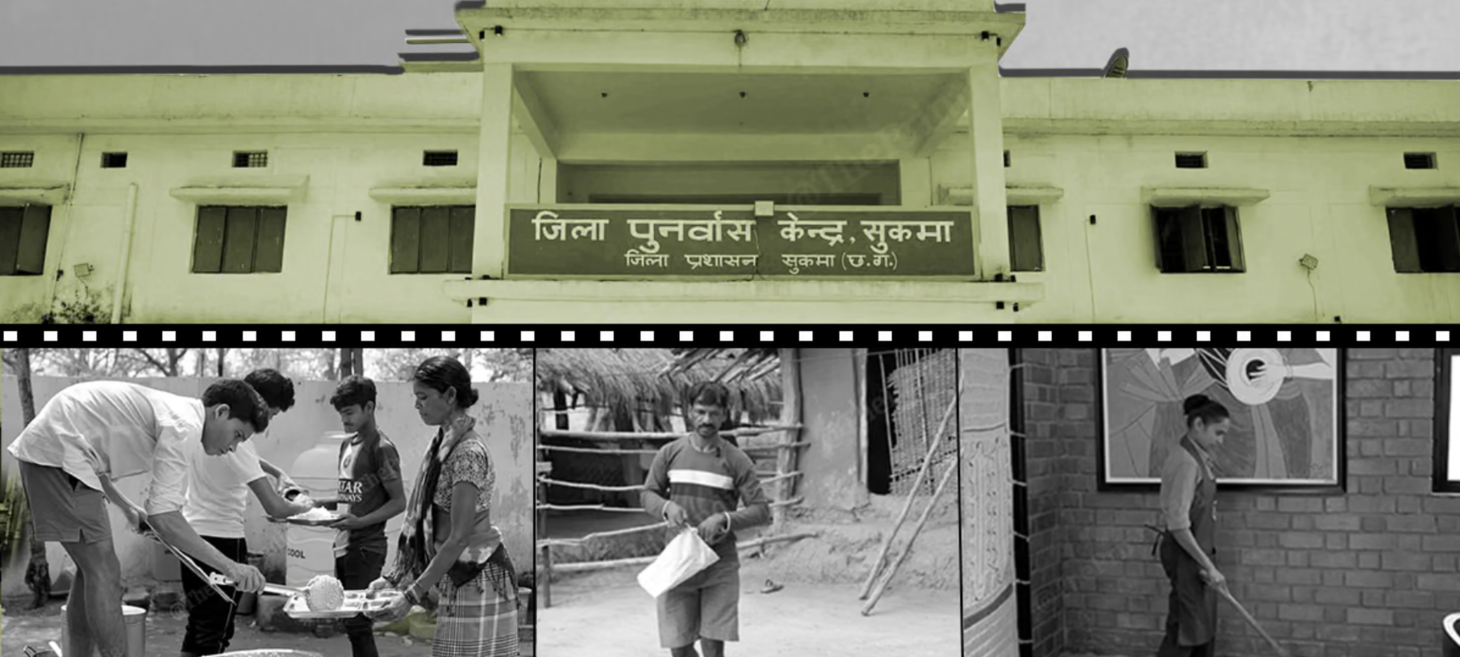
From ‘jal, jungle, jameen’ to jobs: Surrendered Maoists seek new lives with state rehabilitation
Chhattisgarh govt and MHA have identified the rehabilitation and reintegration of the surrendered cadres as one of the cornerstones for the long-term solution to Left Wing Extremism Chhattisgarh is rehabilitating surrendered Maoists through initiatives like Pandum Cafe, a joint venture employing former rebels, and RSETIs offering skill training. Cadres like Pagni and Markam Pujje are finding new lives, although challenges such as delayed reward disbursement and past traumas from events like Salwa Judum persist, despite the government's 'Puna Margem' policy.
Climate Change and Workers

As India Braces For Summer, Informal Workers Have Little Heat Protection
India is projected to lose about 5.8% of working hours in 2030, up from 4.3% in 1995, the International Labour Organisation estimated. Given its large population, the country is expected to lose 34 million full time jobs in 2030 as a result of heat stress—with agriculture and construction, the sectors with the highest number of workers, expected to be most affected.
How Extreme Heat Affects India's Informal Women Workers
As heatwaves intensify, informal women workers are losing income, productivity, and protection—while policy response struggles to catch up.
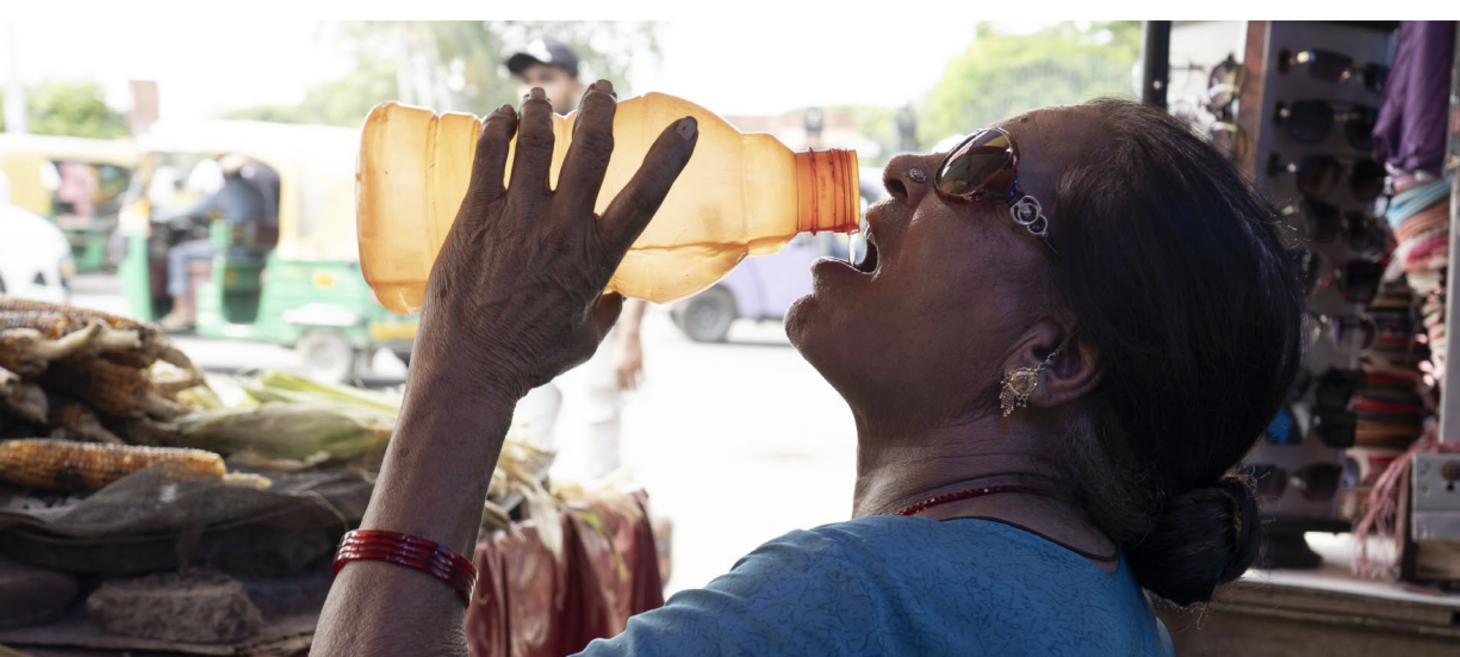
Working in the Heat: Street Vendors and Climate Justice in Delhi, India
Delhi is highly vulnerable to climate change impacts, with heat stress an escalating challenge. This policy brief presents the major findings from action research exploring the livelihood impacts of heat on street vendors in Delhi.
Farm News
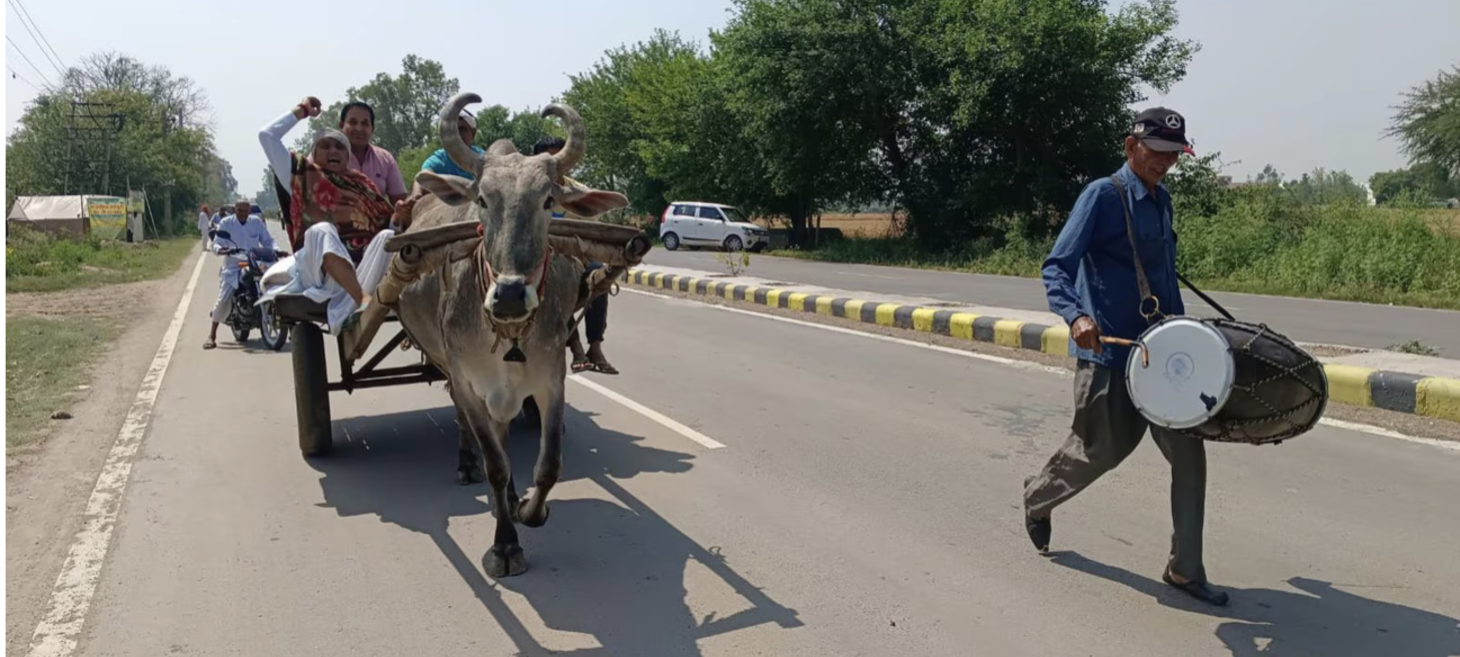
Farmers hold protests across Haryana, oppose new Rabi procurement rules
Farmer organisations across Haryana on Saturday launched coordinated protests under the banner of the Samyukt Kisan Morcha (SKM), opposing newly introduced rules for crop procurement in the Rabi season. They blocked highways and staged sit-ins at toll plazas to oppose a procurement system that includes OTP-based verification, biometric authentication, and portal-driven processes.
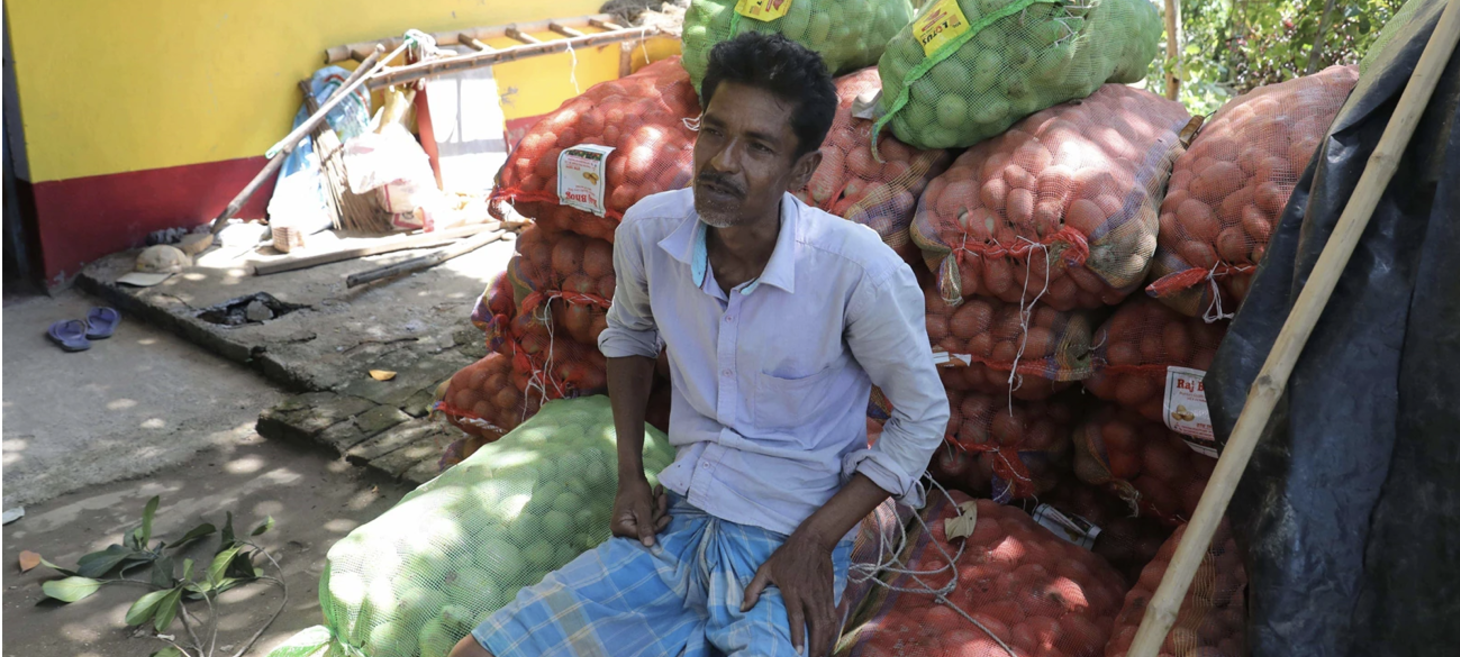
At ground zero of Mamata Banerjee’s rise, potato farmers count their losses
Twenty years after Mamata Banerjee began her rise to power from Singur in Bengal’s potato belt, farmers deal with the fallout of a record harvest. For years, Bengal’s potato surplus supplied markets in Odisha, Jharkhand, Bihar, and Assam. But recent restrictions on inter-state movement — aimed at controlling retail prices in Kolkata — have left farmers struggling to find buyers and staring at hundreds of sacks of unsold potatoes.
Tailpiece

Indian restaurants are using robots. Backing them are DRDO brothers and startups
From Mie.Roboluscious in Mohali to Roseate House Delhi and Hilton Gurugram, restaurants are using robots as servers to manage footfall while easing staff workload. While past experiments failed, current efforts aim to assist human staff, freeing them for interactive roles, rather than replacing them. They offer novelty and operational support, despite challenges like occasional malfunctions and customer perceptions.