
In the Courts
Paying Primary Teachers Rs 7000 Monthly For Ten Years Is Bonded Labour: Supreme Court Asks UP Govt To Pay 17K
The Supreme Court on Wednesday (February 4) criticized the Uttar Pradesh government for engaging in “unfair practices,” subjecting the state's primary school teachers/instructors to a form of 'begar' by paying them a meager fixed honorarium of Rs. 7,000 per month for over a decade. Finding that the wages received by teachers were stagnant and low, a bench of Justices Pankaj Mithal and Prasanna B. Varale directed the state government to pay an honorarium of Rs. 17,000 per month to all such teachers, effective from the financial year 2017-18, with arrears to be cleared within six months.
SC refuses to issue directions to Centre, states for welfare measures of domestic helps
The Supreme Court has declined to mandate minimum wages for domestic workers. The court stated it cannot direct the Centre and states to amend laws. While acknowledging exploitation, the judiciary cannot encroach on legislative powers. Petitioners are urged to highlight the issue to stakeholders. The court noted existing welfare frameworks offer some protection.
Caste in Employment
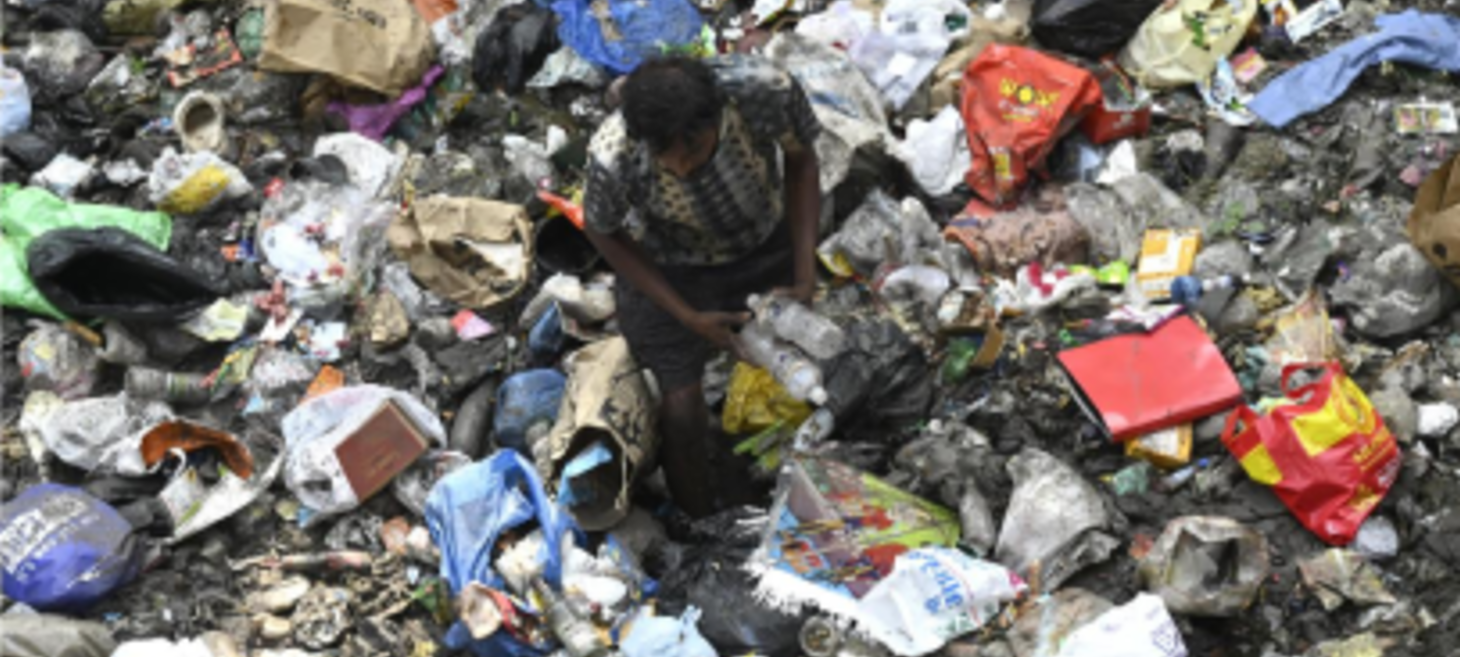
84.5% of 1.52 lakh waste-pickers profiled so far come from SC, ST, and OBC communities
The Union government on Tuesday released data for the first time on the ongoing enumeration of wastepickers across the country, showing that a total of 1.52 lakh such workers had been profiled and validated so far in urban areas of 35 States and Union Territories. At the national level, 84.5% of overall wastepickers were from the Scheduled Castes, Scheduled Tribes, and the Other Backward Classes, while 10.7% were from communities in the General category. State-level data show Delhi, Goa, and West Bengal are outliers, where waste-pickers from the General category constitute a majority.
SC, ST, OBC employees make up 66% of sanitation workers, 40% of Group A staff: DoPT report flags representation gaps
Workers from Scheduled Castes (SC), Scheduled Tribes (ST) and Other Backward Classes (OBC) accounted for 66 per cent of the sanitation workers employed by 80 Union ministries or departments in 2024, while the same groups made up 40 per cent of Group A and 46 per cent of Group B employees, the Department of Personnel and Training (DoPT) annual report for 2024-2025 shows.
Wage Revision
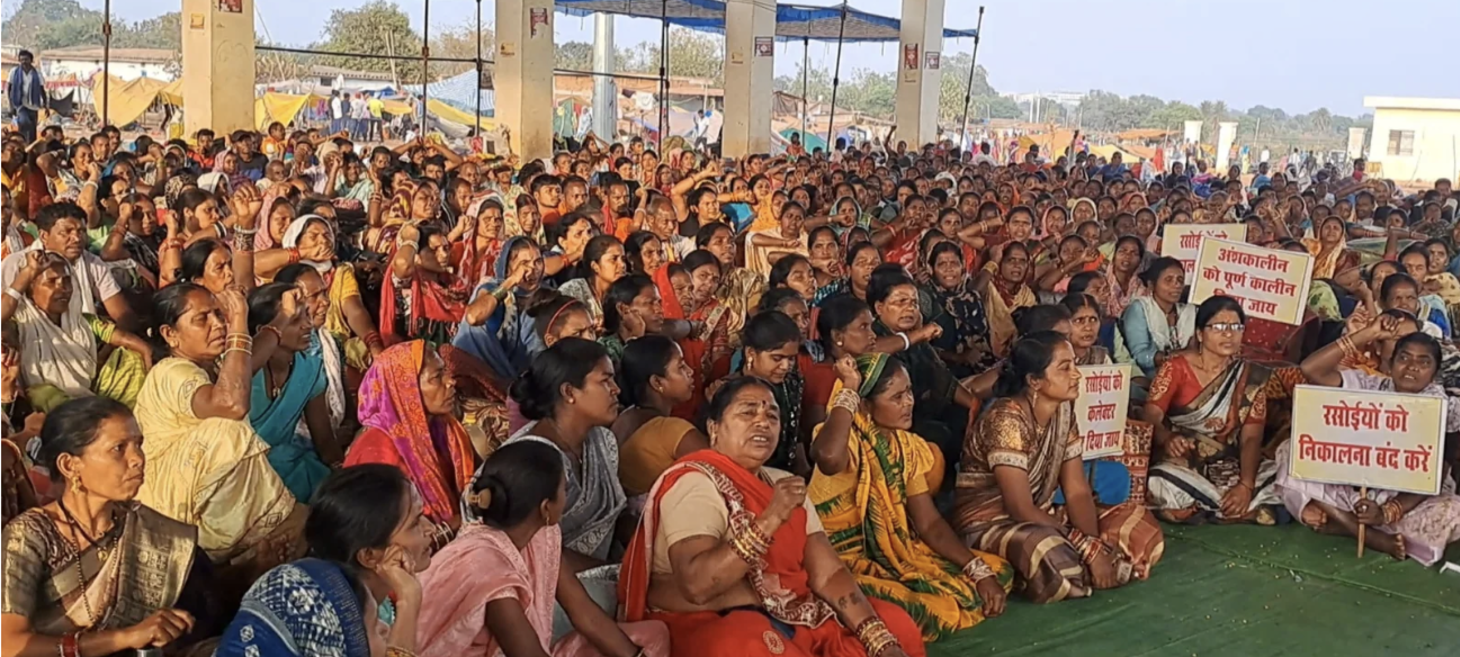
‘Rs 15 to Rs 66 per day in 3 decades’: Chhattisgarh mid-day meal cooks say they want justice
For 34 days now, hundreds of mid-day meal cooks, most of them women, have made Tuta ground in Chhattisgarh’s New Raipur their home. The key demand behind their indefinite strike: An increase in daily wages from Rs 66 per day to Rs 440, though the more pragmatic ones in the group say even a hike to Rs 261, which is paid to MGNREGA workers, would be a start.
Most states and UTs suggested Centre to hike midday meal workers’ wages
A total of 22 states and Union Territories that responded to the Education Ministry’s call for suggestions on the PM-POSHAN scheme last year had one unanimous request for the Centre — to enhance the honorarium to cooks and helpers under the scheme. States/UTs including Bihar, Arunachal Pradesh, Jharkhand, Jammu and Kashmir, Uttarakhand, Telangana, Gujarat, and Uttar Pradesh called for the amount to be enhanced to Rs 2,500 to Rs 5,000 per month.
Sanitation Workers
SECTOR REVIEW 2025---Sanitation Workers
The deaths of sewer and septic tank cleaning workers remained a contentious issue throughout the year. Judicial activism came up against the inaction of state governments in compensating kin adequately for deaths, and in providing adequate personal protective equipment kits to these workers cleaning drains and sewers. State governments resisted fresh orders by the Supreme Court to abide by its 2023 ruling in Balram Singh versus Union of India which laid down compensation and rehabilitation norms for sewage workers, including Rs 30 lakh for death.
In January the Supreme Court ordered a complete ban on manual scavenging and sewer cleaning in six major metropolitan cities -- Delhi, Mumbai, Chennai, Kolkata, Bengaluru, and Hyderabad.
Also in January the SC asked the Haryana govt to decide the representation of a petitioner for compensation of Rs. 30 lakhs after her husband died on account of inhaling poisonous gas while cleaning a sewer. After the state failed to respond the top court passed an order in April summoning the chief secretary to be present in court at the next hearing. Earlier this year (2026) the SC clarified that its 2023 order raising compensation for deaths due to manual scavenging and sewer cleaning to Rs 30 lakh will apply to older cases too, if compensation has not yet been fixed or paid.
Hundreds of sewage and sanitation workers and activists from across the country staged a protest at Jantar Mantar (New Delhi) on 25th March 2025 to highlight the persistence of the caste atrocity of manual scavenging and sewerage deaths. Down to Earth reported that between 2024 and mid-2025, there have been 158 documented deaths of workers cleaning sewers and septic tanks.
In April 2025 the Andhra Pradesh High Court directed the Commissioner of Municipal Administration to collect data pertaining to the death of workers during the cleaning of sewers from all the municipal corporations, municipalities and other local bodies from the year 1993, in order to pay compensation and rehabilitate their families as per norms.
Findings of a social audit commissioned by the Union Government on deaths of sanitation workers were reported in Parliament. The study covered 54 cases of death which occurred in the years 2022 and 2023 in 17 districts of 8 States. In 47 death cases no mechanized equipment and safety gear for cleaning of sewers and septic tanks were made available to the workers. In August The Standing Committee on Social Justice and Empowerment, in its latest report tabled in Parliament said that progress under the Central Government’s National Action for Mechanised Sanitation Ecosystem (NAMASTE) scheme was slow. While 73,289 sewer and septic tank workers had been profiled as of April 2025, only 69,231 had been validated by urban local bodies against an estimated one lakh workers nationwide.
At year end the Calcutta High Court held the Kolkata Municipal Corporation and the state authorities responsible for serious lapses that led to the deaths of four labourers and injuries to three while cleaning a sewer line in Kolkata in February 2021. In all these cases one does not know what compensation the state governments will eventually offer.
The year also saw municipal corporations proceed with privatising sanitation work by floating tenders for private contractors. The Greater Chennai Corporation’s decision to privatise waste management in two zones brought hundreds of sanitation workers employed under the National Urban Livelihoods Mission out on the streets, arguing that the move threatened their livelihoods, reduced job security, and increased the risk of exploitation. the Madras High Court, however, refused to quash Greater Chennai Corpn.’s Resolution for privatisation of sanitary work. The Court directed the State/Greater Chennai Corporation to negotiate with Delhi MSW Solutions Ltd. to ensure sanitary workers are paid their last drawn wages if they joined the Company.
During the year Mumbai’s sanitation workers also threatened a strike over the Brihanmumbai Municipal Corporation’s Rs. 4,000 crore proposal to privatise waste collection and transportation.
In August 2025 it was reported that thousands of Dalit sanitation workers across India are forced to perform autopsies in place of doctors. This practice is even worse than manual scavenging, the article said. Dalits are doing the work doctors reject—‘No postmortem without a safai karmachari’.
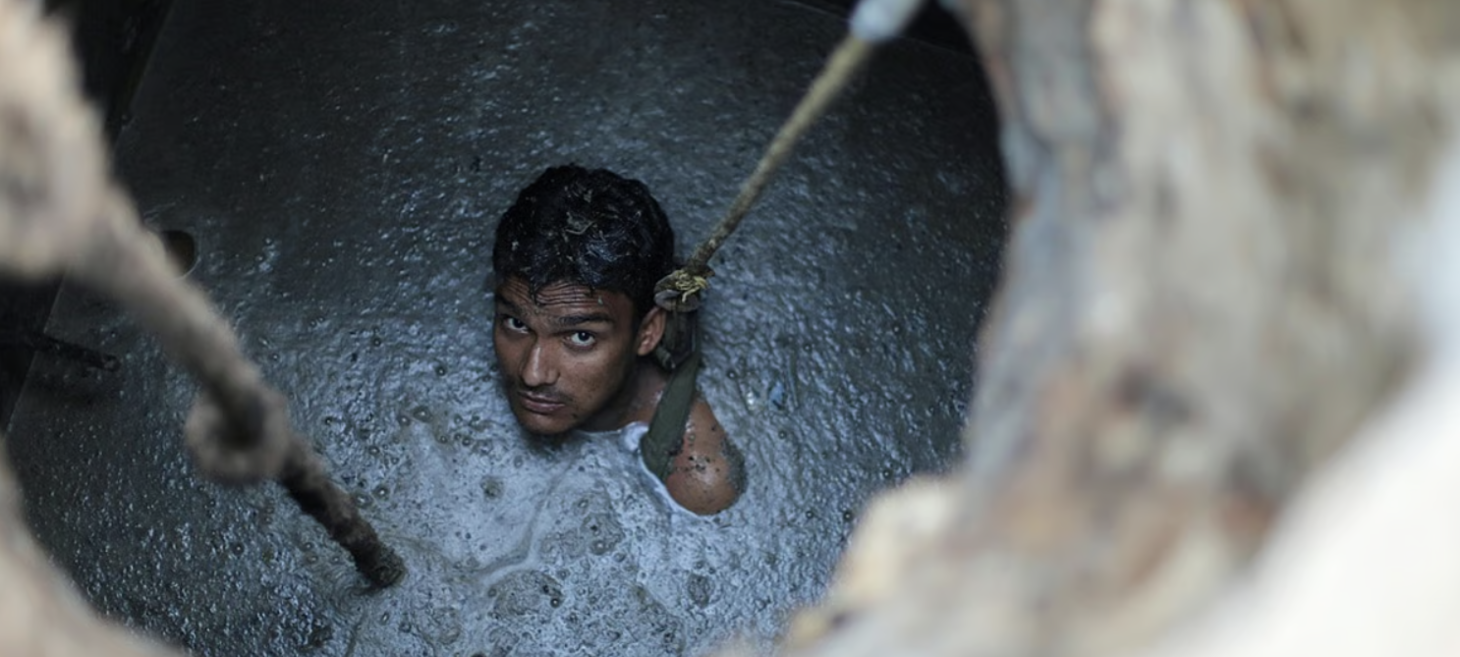
Invisible deaths: How India’s climate crisis abandons its sanitation workers
Sanitation workers—who must continue labouring in sewers where temperatures are amplified and toxic gases intensify—receive no organisational support, no modified working hours, and no protective measures
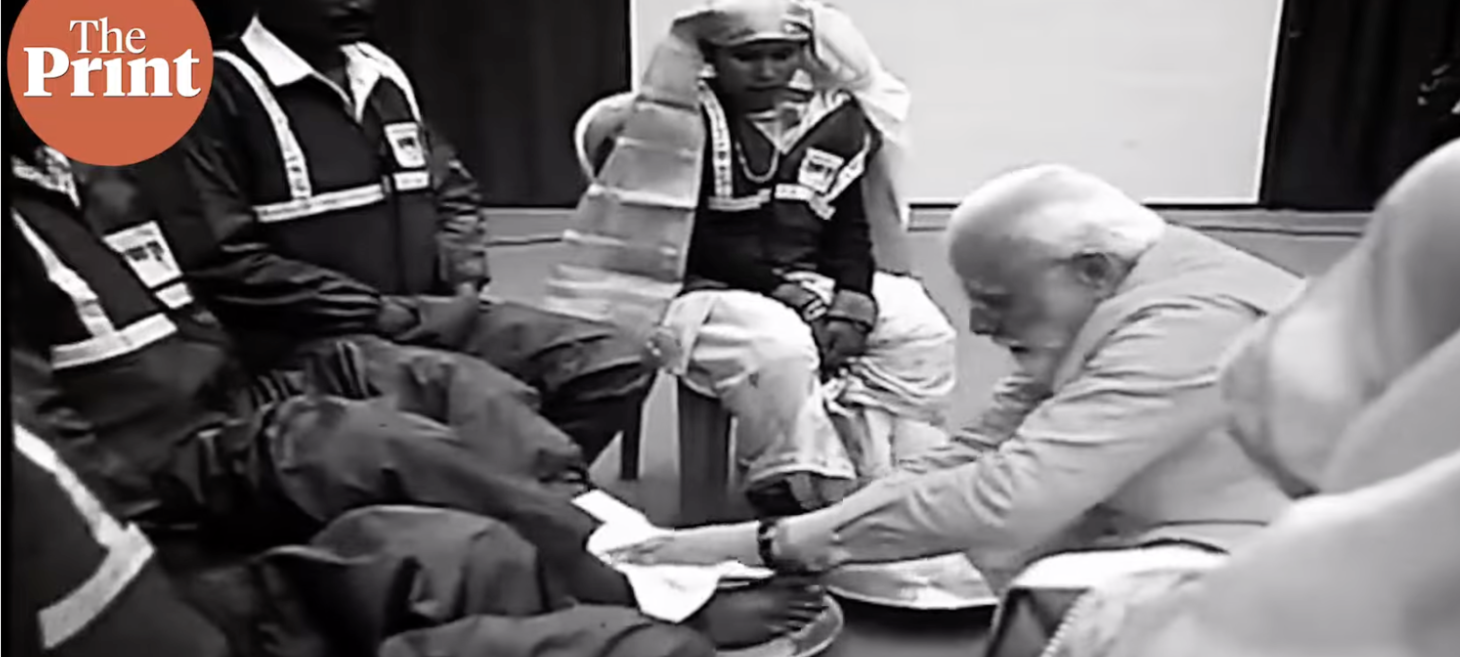
VIDEO---Five years after Modi washed their feet, Kumbh sanitation workers’ fight for dignity continues
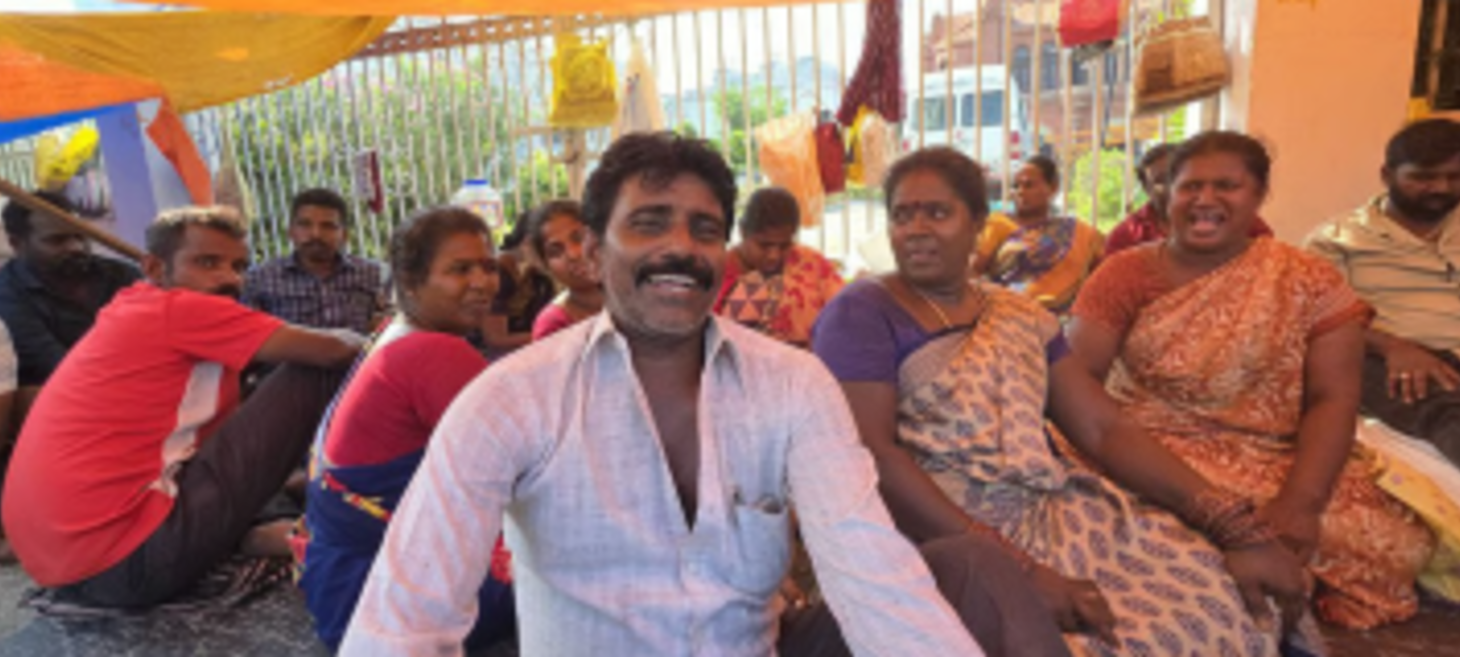
Privatisation is forcing sanitisation workers to keep Chennai clean with lesser pay
Hundreds of Chennai sanitation workers have camped outside city headquarters since August 1, protesting privatisation plans that would cut the salaries they get in hand by nearly Rs 8000.
The Gig Economy
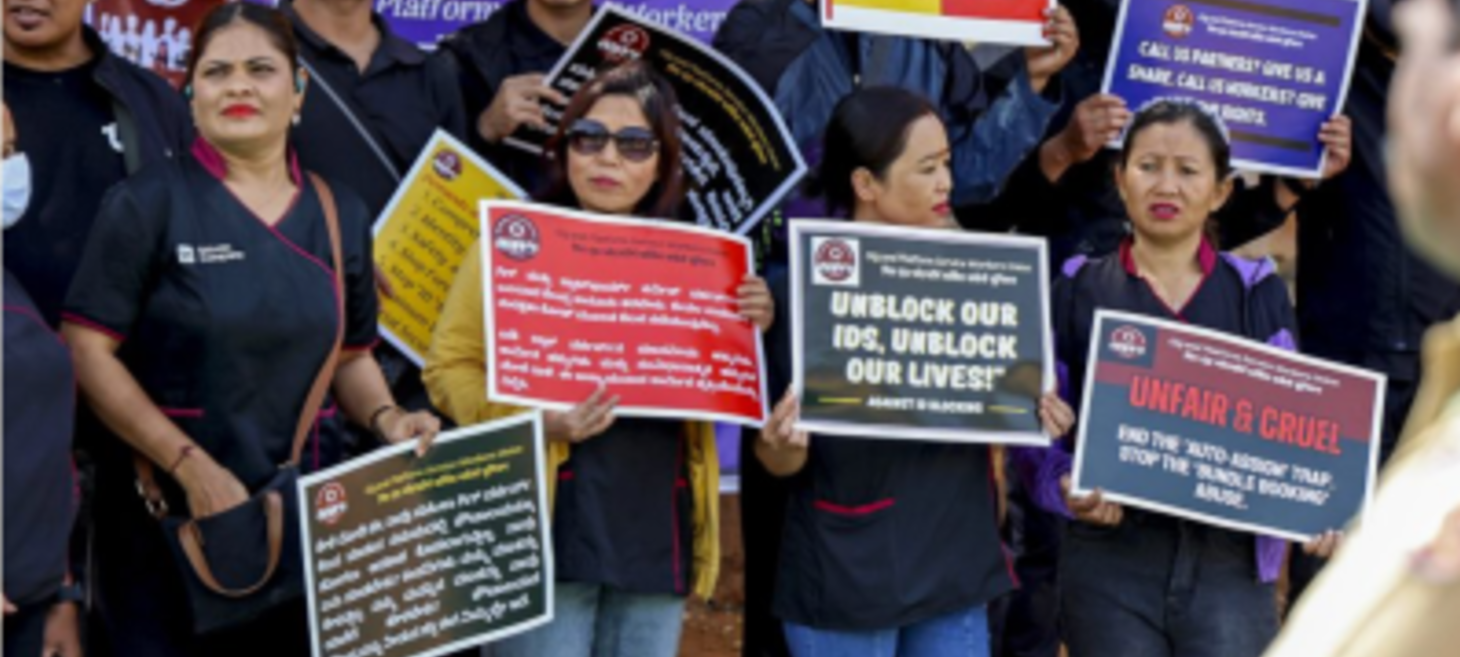
More Than 20% Gig Workers Work 70+ Hours Per Week: Report
The survey indicates that platform work remains largely outside the reach of occupational safety and health (OSH) regulations; workers constantly being exposed to compromising working conditions often falling outside the ambit of what the International Labour Organisation (ILO) constitutes as “a safe and healthy work environment.”
Exporting Workers
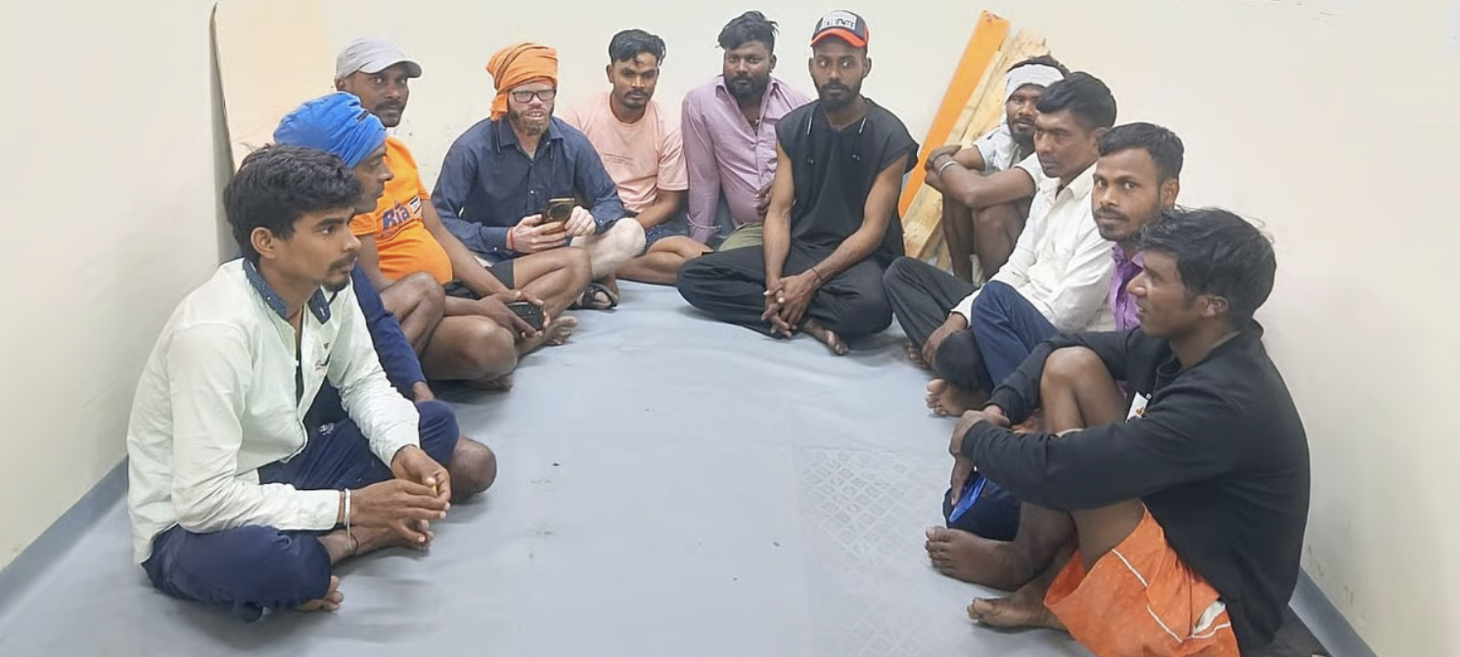
14 Jharkhand migrant workers stranded in Dubai seek government help through video message
RANCHI: Fourteen migrant workers from Giridih, Hazaribagh, and Bokaro districts of Jharkhand, who had gone to Dubai for employment, have been stranded there for the past several months. Sending a video message to their family members, they have sought immediate help from the state and central government. The workers alleged that the company they are employed with is forcing them to work beyond stipulated hours while failing to pay their wages. Due to non-payment of salaries for the last three months, they are struggling to arrange food, accommodation, and other basic necessities, they said.
Livelihoods
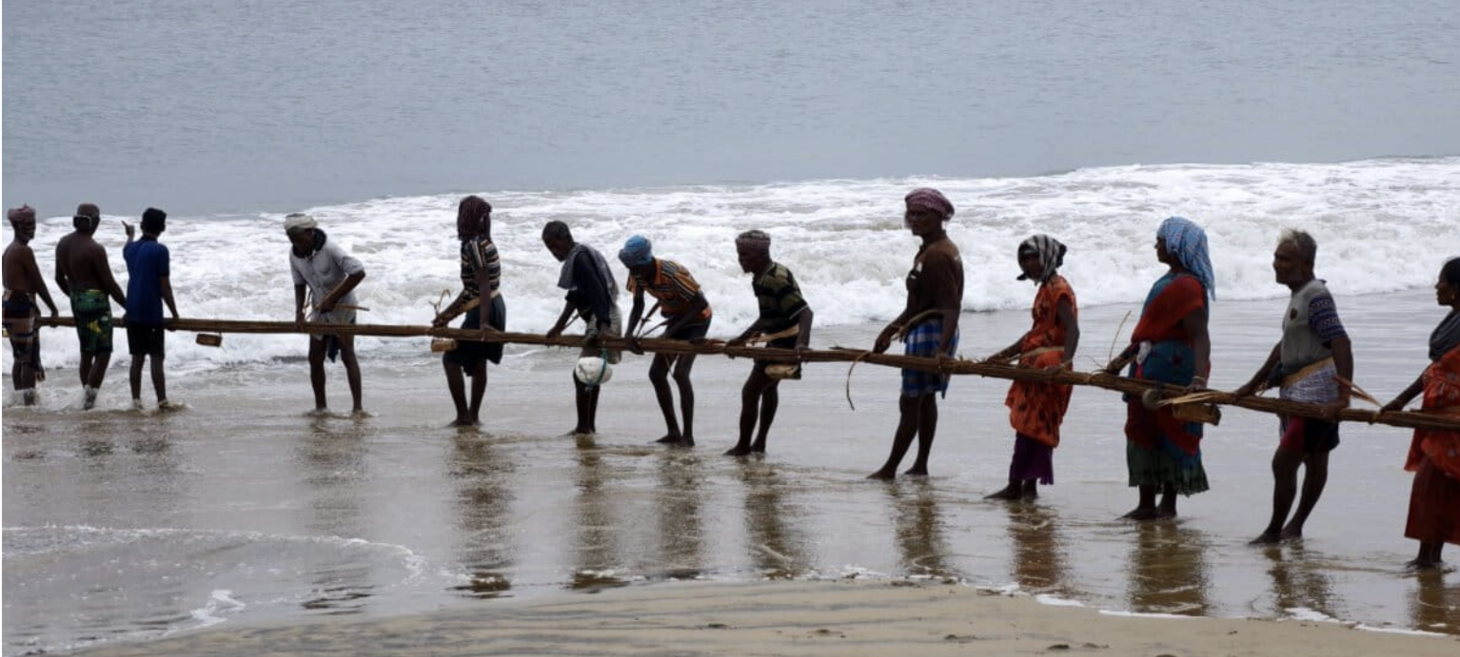
Traditional fishers turn rescuers in a win for declining marine wildlife
Fishers along the Gulf of Mannar coast in southern Tamil Nadu once caught marine animals, including the Indo-Pacific humpback dolphin, hawksbill turtle, loggerhead turtle, green turtle , olive ridley turtle, and dugong. Today, many of them are recognised for protecting the very species they once pursued. This shift reflects a gradual reworking of human-marine relations, shaped by experiential learning at sea, locally grounded ecological knowledge, and state-led conservation incentives. In villages such as Keelamundal, Valinokam, and Mel Mundal, conservation is enacted through everyday decisions made on the shore and during fishing trips.
Skilling
Most workers on NHAI projects come from 49 dists across 8 states
In a first-of-its-kind exercise, NHAI has collated details up to the village level from where workers travel to highway construction sites, in a move to provide targeted skill training to these labourers. "This will enhance their employability. Trained manpower in highway projects will help ensure timely completion and better quality of work. Training of people working at project sites is crucial," said an official.
Government Spending
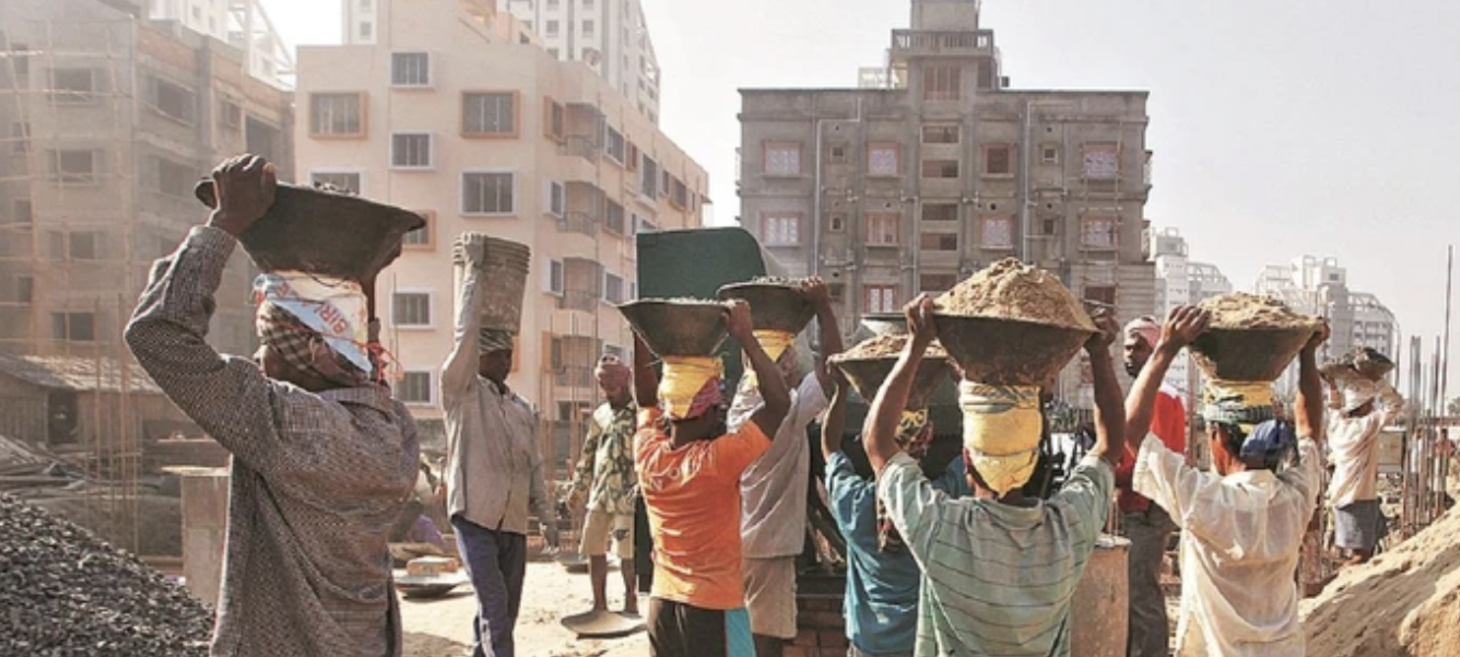
Budget 2026-27: 61% of labour ministry's record FY26 outlay unspent
Even as the Ministry of Labour and Employment received its highest-ever allocation of ₹32,666.31 crore in the Union Budget 2026-27, revised estimates show that 61 per cent of the funds allocated in the previous year remained unutilised.
In the previous Budget as well, the ministry received a record allocation of ₹32,646.19 crore. Of this, only ₹12,688.05 crore was spent, according to the ministry-wise expenditure budget.
An analysis of the allocations under the ministry shows that this was primarily due to 62.7 per cent of the funds earmarked for central sector schemes and projects in the previous year remaining unspent. Additionally, expenditure on social services also declined in FY26.

Govt spent only 5% of funds for job, skilling schemes in Fy '26
India's major youth employment and skilling plan has seen very low fund utilisation. Only 5% of the allocated budget was spent in the last fiscal year. This raises questions about how the program is designed and implemented. Data shows that the government spent just Rs 1,730 crore in FY26 out of the Rs 33,830 crore allocated. Of this, the internship scheme saw expenditure of Rs 526 crore from its Rs 10,800 crore allocation, despite only two pilot rounds being conducted.

Union Budget 2026: What’s for rural employment?
VIDEO: The Union Budget 2026 announces allocations for rural employment, including the new VBG Ramji scheme and MGNREGA. While the government highlights higher job guarantees and increased spending, experts flag gaps between promised workdays and budgetary support. Questions also remain over claims of a sharp rise in rural development expenditure and how targets will be met.
Travails of Teachers
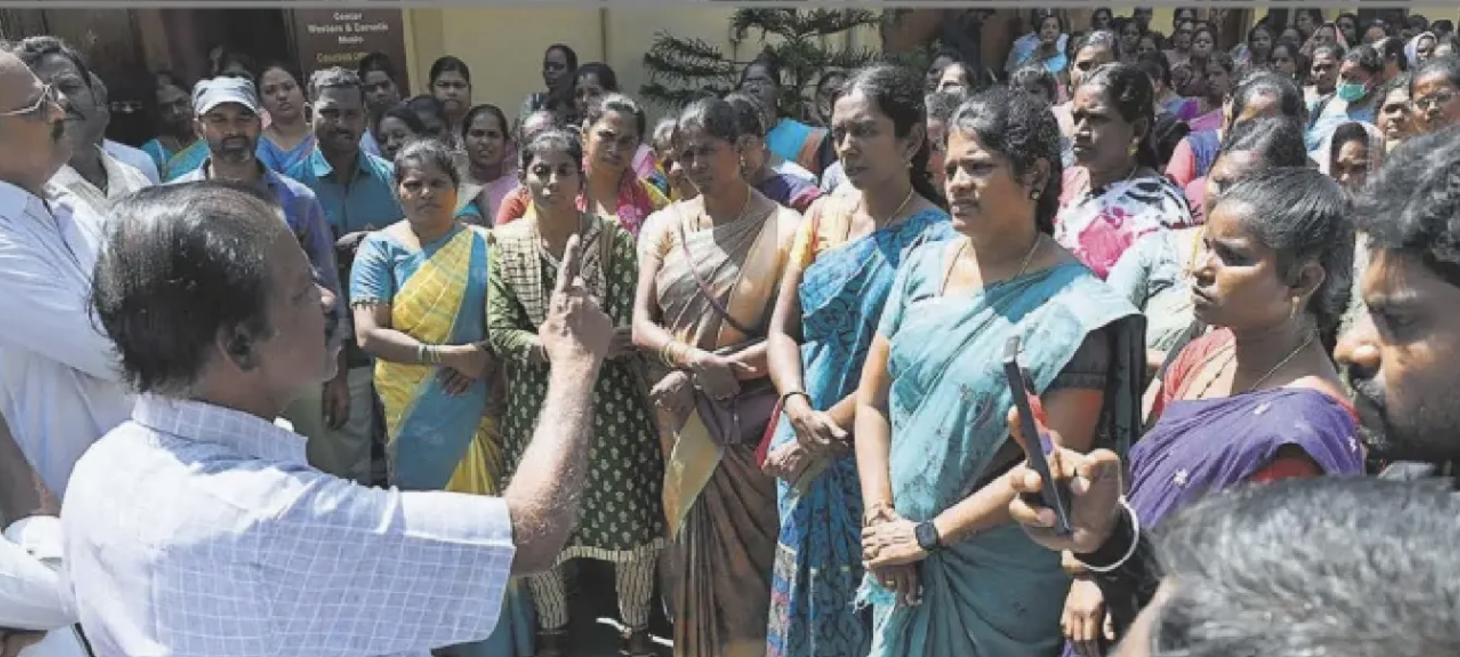
Half of the staff in 1.5 lakh schools are contract teachers
For more than a week, contract teachers in Puducherry have been protesting about the regularisation of their jobs. On February 3, their protest march towards the Assembly was stopped by the police. The protest in Puducherry is the latest in a series of demonstrations carried out by contract teachers across the country demanding fair treatment and regularisation of their jobs. At least 16 lakh teachers are working on contract in India for lesser wages and benefits.