
Employment News
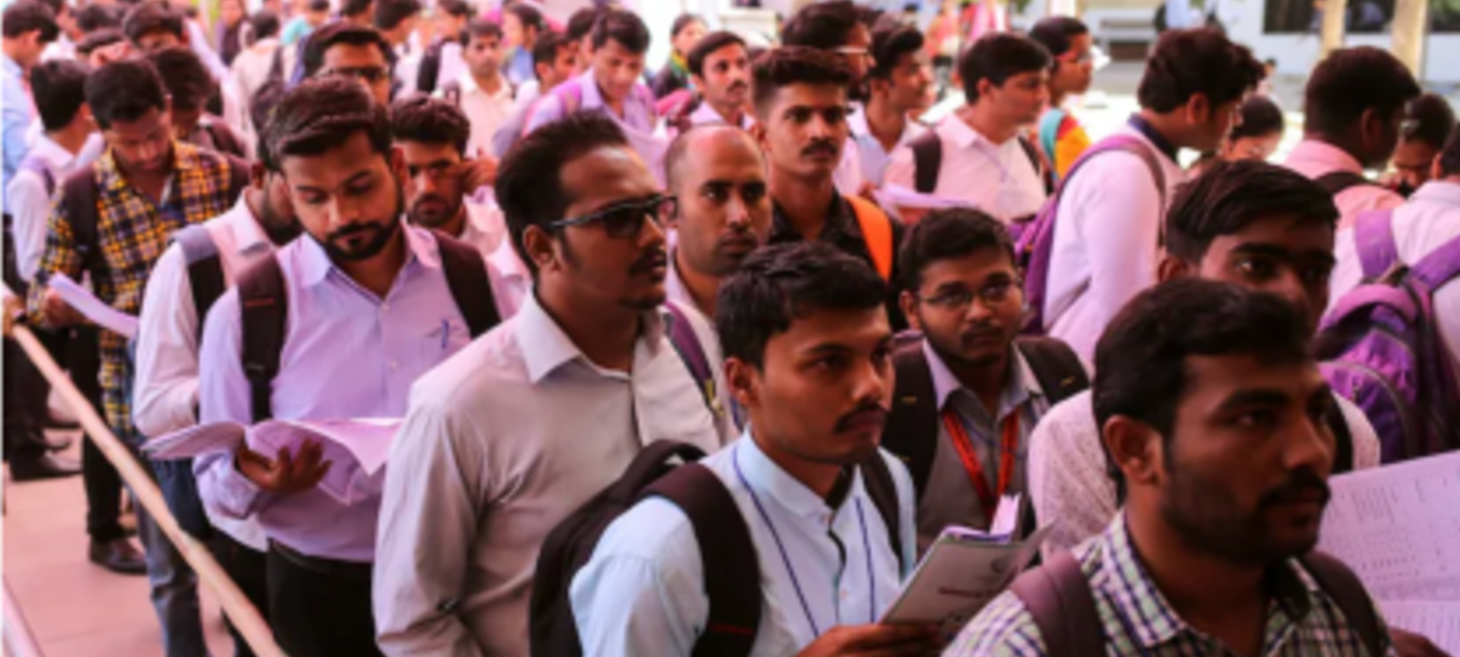
Government plans unemployment estimates for nearly 50 major cities to deepen labour market tracking
City-level employment data covering major urban centres such as Delhi, Mumbai and Bengaluru may begin in the second half of the year…. Currently, the Periodic Labour Force Survey (PLFS) publishes unemployment indicators at the national, state and urban-rural levels, but city-level labour market estimates are not available. The proposed dataset is expected to include major million-plus cities such as Delhi, Mumbai, Bengaluru, Hyderabad, Chennai, Kolkata, Ahmedabad, Pune Jaipur and Varanasi along with other urban centres ranging from Greater Visakhapatnam and Patna to Kanpur, Lucknow, Kota and Mysore.

40% of India's graduates still unemployed: Azim Premji report flags 40-year crisis
Nearly four in ten young graduates in India are struggling to find jobs despite rising access to higher education, highlighting a deep mismatch between degrees and employability. A new report by Azim Premji University reveals how this persistent trend is raising concerns about the country's ability to fully benefit from its demographic advantage. Among individuals aged 15 to 25, close to 40% are without jobs, while the figure stands at around 20% for those between 25 and 29 years.
Less than 7% of male graduates find permanent salaried job in one year, finds new report
According to Azim Premji University’s State of Working India 2026 report, graduate youth unemployment rose to 39.33% in 2023 from 35.02% in 1983.
In the Courts

Parental Salary Alone Can't Decide OBC Creamy Layer Status : Supreme Court
In an important judgment, the Supreme Court has held that 'creamy layer' status for reservation under the Other Backward Classes (OBC) category cannot be determined solely on the basis of parental income, without reference to the posts and status held by the parents in their organisations. Dismissing a batch of appeals filed by the Union of India, a bench comprising Justice PS Narasimha and Justice R Mahadevan granted relief to several UPSC candidates, who were denied appointments despite clearing the Civil Service Examinations, as they were wrongly included in the creamy layer category.
Denying Maternity Benefits To Adoptive Mothers Of Children Above Three Months Unconstitutional: Supreme Court
The Supreme Court on Tuesday (March 17) held that Section 60(4) of the Social Security Code, 2020, which allow maternity benefit to an adoptive mother only if the adopted child is less than 3 months of age, is unconstitutional. The Court held that an adoptive mother should be entitled to maternity leave of 12 weeks, irrespective of the age of the adopted child. The Court read down the provision as follows: "A woman who legally adopts a child, or a commissioning mother, shall be entitled to maternity benefit for a period of 12 weeks from the date the child is handed over to the adopting mother or the commissioning mother, as the case may be."

'Mandating Menstrual Leave May Harm Women's Careers', Says Supreme Court; Asks Union To Consider Framing Policy
The Supreme Court on Friday disposed of a writ petition seeking paid menstrual leave for women in all establishments, asking the Central Government to consider the petitioner's representation for modelling a menstrual leave policy in consultation with all stakeholders.
Women in the Workforce

Molested by customers, women gig workers say they work in fear
Women gig workers in India's instant home-service industry, like Barsha and Mishti, face severe safety risks including sexual harassment, unsafe commutes, and discrimination. Despite platform safety features, workers often feel unsupported and fear reporting incidents due to potential job loss. This exposes a critical lack of preventive measures and protection for women in India's rapidly expanding gig economy.
Flexible hours for women in Mumbai
The Maharashtra government has introduced a new ‘Come Early, Go Early’ scheme to make commuting easier for women working in government offices across Mumbai. The initiative allows women employees to adjust their office timings so they can travel outside peak rush hours, reducing stress and improving safety. Mumbai’s trains, buses, and roads are often overcrowded during office hours, making travel physically exhausting and sometimes unsafe. By shifting work schedules, the government hopes to ease this burden and create a more supportive environment for women employees.
Wartime Crises
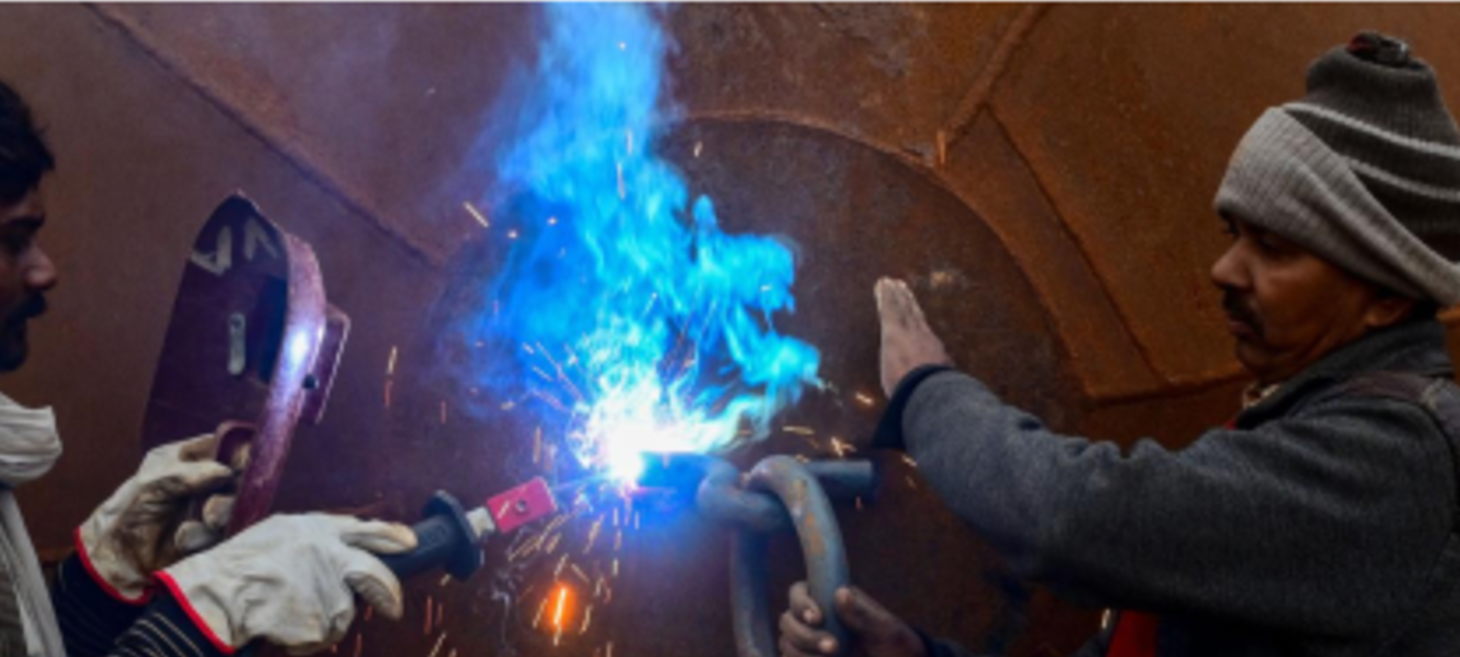
The Iran war is starting to hit India’s small manufacturers
As the war on Iran enters its third week, its effects are starting to ripple out across India. Small-scale manufacturing and industries, from textiles and dyeing to automobiles and plastic, are struggling to continue operations due to the gas shortage or are facing an increase in the cost of raw materials, putting businesses and worker livelihoods at risk.

LPG shortage hits MSMEs; 40% production halted in Coimbatore .
COIMBATORE: The shortage of industrial LPG has severely affected MSMEs in Coimbatore district, with nearly 40% of production coming to a halt and turnover dropping by around 30%. Industries struggle to stay operational.

Fuel pangs brew in Darjeeling tea as LPG curbs hit first-flush season
Darjeeling’s globally prized tea industry, which had shifted from coal-fired processing to industrial LPG following export concerns, now faces the new challenge of restricted fuel supply during the most crucial period of first-flush production.

LPG crisis hits restaurants: Staff face salary cuts, layoffs as eateries struggle to keep kitchens running
Despite assurances from the government on boosting availability, restaurant owners and caterers have flagged that access to commercial LPG remains inconsistent, leaving many scrambling to keep operations afloat. Several described the situation as unpredictable, with little clarity on when normal supply will resume.
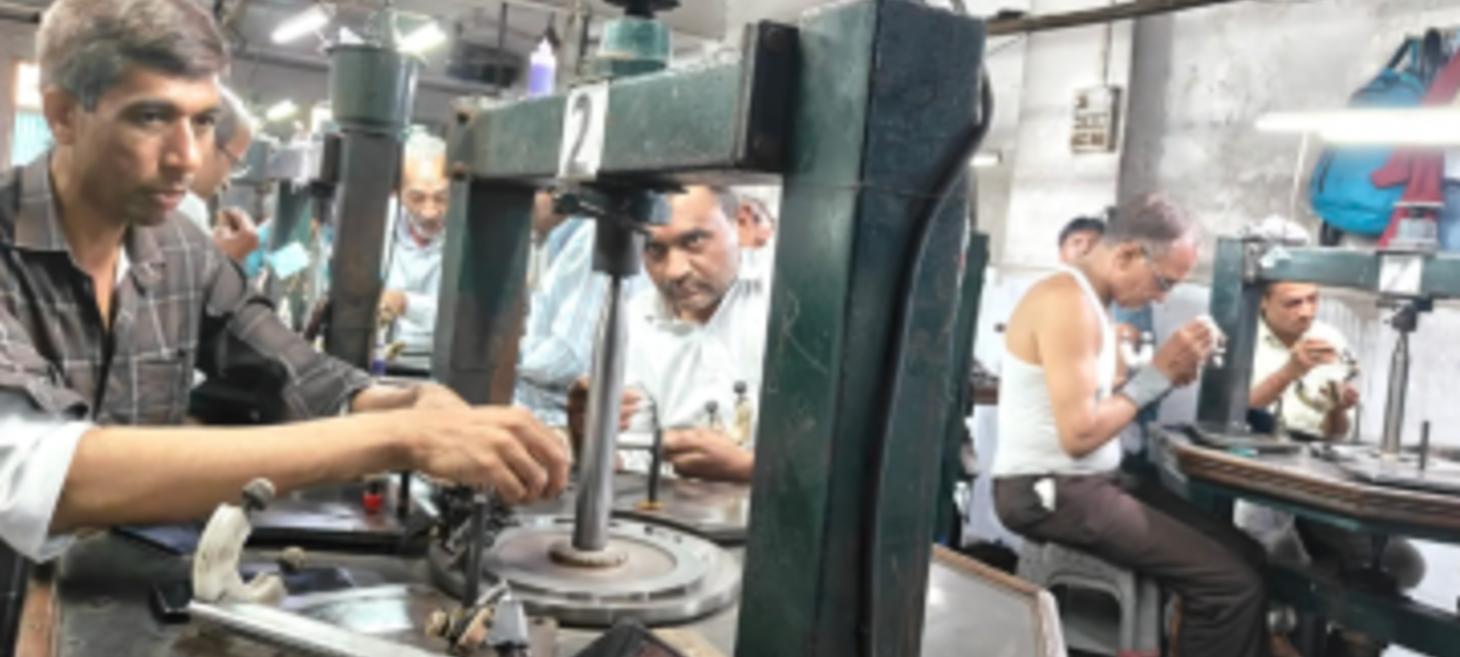
Covid, sanctions, war. Life’s rough for Surat’s small diamond units, salaries ‘not guaranteed anymore’
Surat: A quiet unease hangs over the relatively smaller diamond workshops in Surat, India’s Diamond City. Work continues, but beneath it simmers a growing anxiety. Demand is weakening, and livelihoods are at stake. As the war involving Iran, Israel and the US disrupts shipments and supply chains linked to the diamond industry, workers’ shifts have been cut from 12 hours to just 4 or 5 hours, sharply reducing incomes… “Every day we worry about what tomorrow will bring. I used to earn Rs 30,000 a month; now I make just Rs 13,000. I have two school-going children…I don’t know how I will manage their future.”
Reports
State of Working India 2026: Youth in the Labour Market: Pathways from Learning to Earning
India is nearing the peak of its demographic dividend, with the share of the working-age population expected to begin declining after 2030. On the one hand, higher education in the country has become increasingly democratised with a rapid increase in the number of institutions. Graduate salaried earnings exceed non-graduates both at the time of entry into employment and over their lifetime. On the other hand, financial barriers continue to restrict access, particularly in professional fields such as engineering and medicine. The transition from education to employment remains a major challenge.
Labour in Parliament

Parliamentary Panel Urges Mandatory Registration Of Gig Workers; Calls For Social Security
In a report released this week the Standing Committee on Labour has recommended mandatory registration of gig workers while urging the government to define clearer legal obligations for digital platforms to contribute towards their social security. It noted that a large section of these workers remains outside formal labour systems and lacks access to social security benefits. To address this gap, the panel recommended that all platform aggregators, including Swiggy, Ola and Zomato, should be required to register gig workers on the government’s e-Shram portal.
Panel calls for Centre-State board to oversee rollout of four labour codes
The Parliamentary standing committee on Labour, Textiles and Employment recommended setting up a permanent Centre–State Coordination and Interaction board on a priority basis to oversee the implementation of the four Labour Codes. In its report on the demand for grants of the Ministry of Labour and Employment for 2026–27, the panel said that the proposed board could also monitor the implementation of central schemes that require action by states. It noted that the performance of some states in implementing such schemes has been below expectations. India notified four labour codes for implementation in November 2025, consolidating 29 central labour laws.
Caste in Employment
Algorithms Don't Need Your Surname to Guess Your Caste. That's a Problem
When researcher Dhiraj Singha asked ChatGPT to draft an academic cover letter in 2023, the AI quietly changed his surname from Singha to Sharma, a name far more common among dominant caste communities in Indian academia. This was not a random error. It reflected how the system had been trained. Unless institutions change how algorithmic systems are built, tested, and audited, inequality can only harden.
Working Conditions
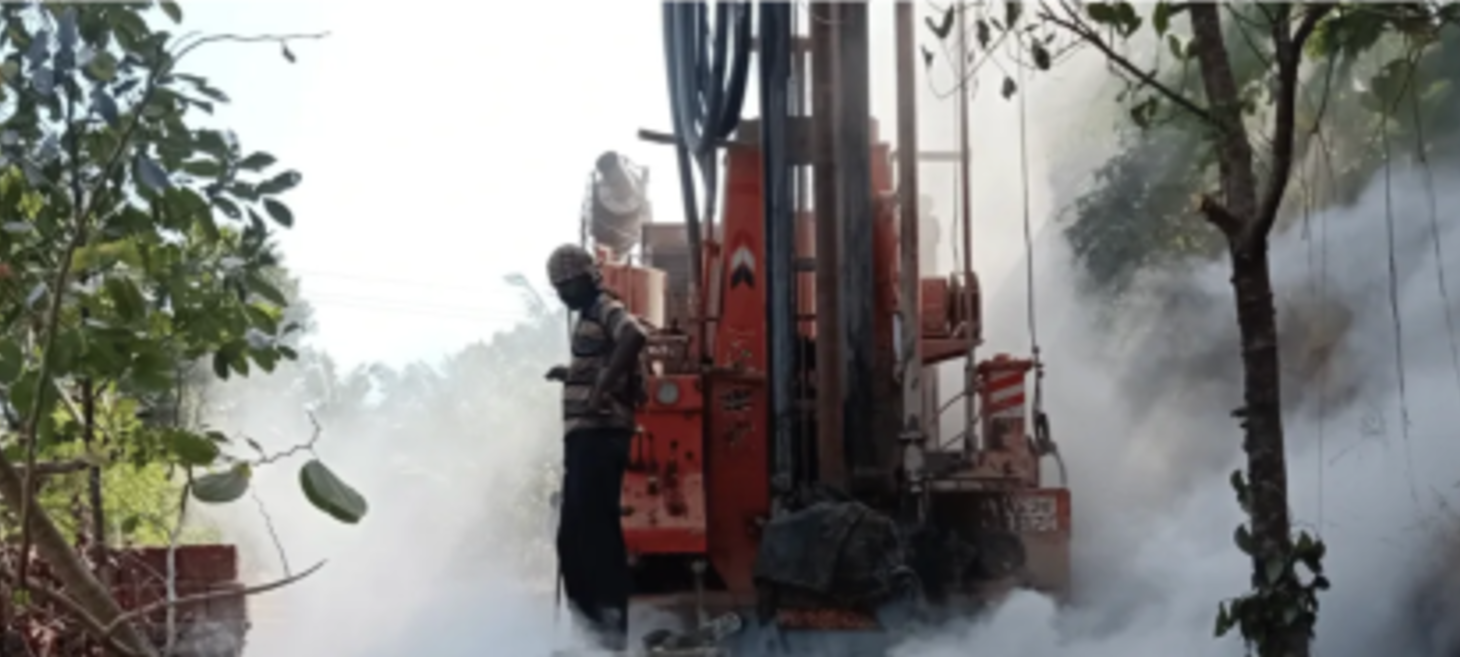
Estimating Worker Population Exposed to Silica Dust in India
Estimates based on Periodic Labour Force Survey data point to over 55 million Indians employed in silica-exposed occupations, mainly in construction. The vulnerability of this workforce is a major public health challenge, demanding improved exposure data & stronger epidemiological research.
Forest Rights

Deeds with wrong names, misplaced applications: Adivasis detail challenges with Forest Rights Act
Forty cases studies at a public hearing in Mumbai exposed flaws in the implementation of a law meant to redress historical injustices to forest dwellers.
Pre-election Sops
As Manufacturing Jobs Stall, West Bengal Turns to Unemployment Aid – Is It Enough?
The Yuva Sathi scheme, scheduled to commence on April 1 just before the West Bengal Assembly elections, will provide income support to unemployed youth. However, with manufacturing growth stagnant and jobs increasingly leaving workers unprotected and insecure, the crisis of unemployment will remain a challenge for the state.
AI and Jobs

Amazon’s AI push leaves employees spending more time fixing errors
Employees at Amazon say the company’s rapid adoption of artificial intelligence across corporate teams is creating unexpected challenges. Many workers report that instead of speeding up work, AI tools are adding extra steps. Staff members say they are spending significant time reviewing and correcting inaccurate outputs generated by internal AI systems.